
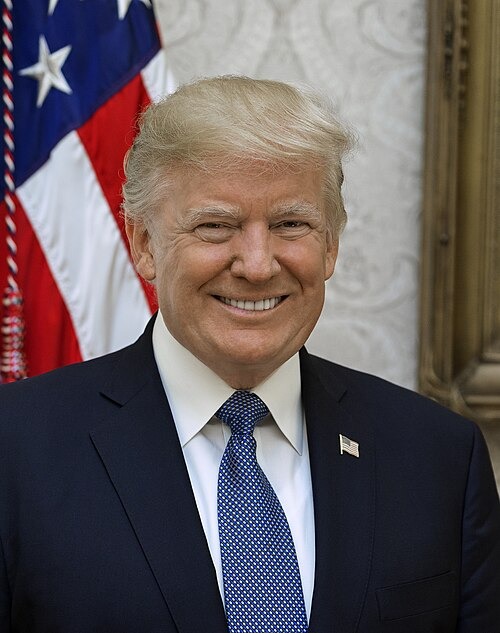
Donald Trump recently characterized the ceasefire with Iran as being on “life support,” while contemplating the re-initiation of U.S. Navy escorts for ships traversing the Strait of Hormuz. This move aims to counter Iran’s blockade of the crucial maritime route. Trump sharply criticized Iran’s peace proposals, labeling them as foolish, and denied facing any domestic pressure to negotiate a resolution.
Since the ceasefire began on April 7, Trump has expressed skepticism, describing a letter from Iran concerning the ceasefire as “a piece of garbage” that he did not bother to finish reading. He remarked, “I would say the ceasefire is on massive life support, where the doctor walks in and says: ‘Sir, your loved one has approximately a 1% chance of living.'” This statement underscores his dissatisfaction with the current truce.
In an effort to ease tensions, the U.S. recently presented Iran with a set of conditions largely focused on curbing Tehran’s nuclear ambitions. However, Iran’s counter-proposals were swiftly dismissed by Trump. Project Freedom, a plan to provide military escorts for oil tankers in the strait, was halted by Trump after just two days, ostensibly to allow Iran time to consider his peace proposals. The plan faced opposition from Saudi Arabia, which expressed concerns over its potential to escalate the situation, refusing to permit its airspace or bases to be used in support of the project.
Following a spike in oil prices, Iran announced that further talks to resolve the Hormuz blockade would not proceed unless Trump agreed to their terms. Maj Gen Mohammad Ali Jafari, a former commander of the Islamic Revolutionary Guard Corps, outlined Iran’s conditions, which include ending the conflict on all fronts, lifting sanctions, releasing blocked funds, compensating for war damages, and recognizing Iran’s sovereignty over the Strait of Hormuz. These demands highlight the complexities involved in reaching a diplomatic solution to the ongoing tensions.