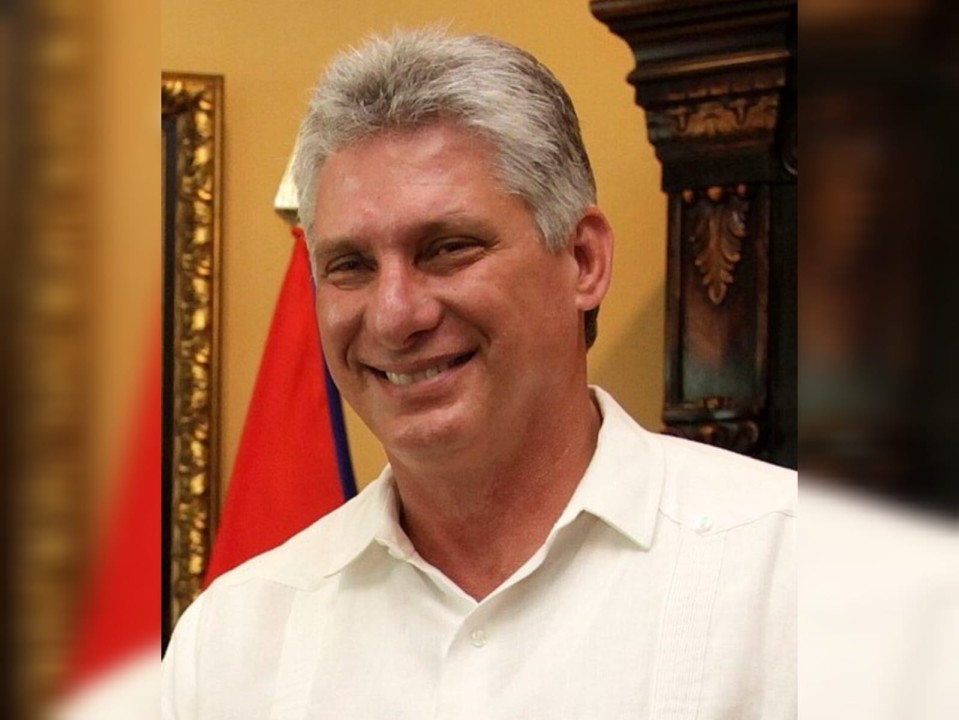
The United States has unveiled a new set of economic sanctions aimed at the upper echelons of Cuba’s leadership, including President Miguel Díaz-Canel and his family, as well as members of the prominent Castro family. This move is part of a wider effort to exert increased pressure on the Cuban government. The sanctions extend to individuals associated with former President Raúl Castro, who, despite holding no official position, remains a significant influence in Cuba’s political landscape.
In addition to targeting individuals, the sanctions encompass restrictions on Cuban entities tied to the military and state-operated institutions. Specifically mentioned are the Ministry of the Revolutionary Armed Forces and several related organizations. The US government has made it clear that foreign banks and international companies providing support to these sanctioned entities could face repercussions.
US Secretary of State Marco Rubio emphasized that the sanctions are designed to amplify economic and diplomatic pressure on Cuba. The measures are intended to curb support for the Cuban government, which US officials have accused of political oppression and interference in regional affairs. These developments come amid a backdrop of ongoing US embargoes and deteriorating relations between Washington and Havana.
The announcement of the sanctions aligns with a broader US strategy under President Donald Trump, who has been intensifying efforts to apply economic and political pressure on Cuba and other countries in the region. The Cuban government, in turn, attributes its ongoing economic challenges to the impact of US sanctions. As tensions continue to escalate, the sanctions reflect the US administration’s commitment to increasing leverage over the Cuban government.