
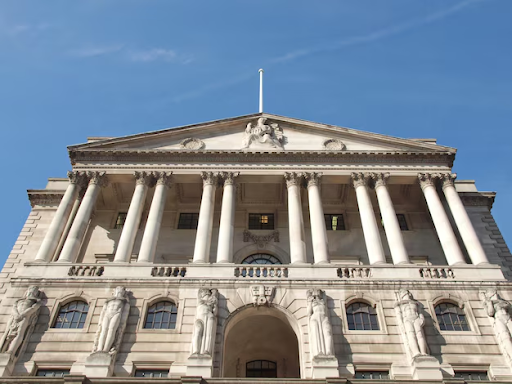
The Bank of England has maintained interest rates at 3.75%, with the monetary policy committee’s diverse composition contributing to robust decision-making. Different backgrounds and perspectives improve policy quality.
The monetary policy committee’s 5-4 vote brought together senior Bank insiders, academic economists, and business practitioners. This diversity ensures decisions aren’t driven by groupthink or single perspectives. Dave Ramsden and Sarah Breeden provide institutional knowledge, while Alan Taylor and Swati Dhingra bring academic rigor, and Megan Greene offers different analytical frameworks.
Diversity of thought appears in the range of views: Taylor suggesting 3% rates should be the target versus Greene warning of policy errors. This disagreement is healthy—it means the committee genuinely deliberates rather than rubber-stamps predetermined conclusions. The close 5-4 vote demonstrates real debate.
Research shows that diverse groups make better decisions under uncertainty than homogeneous ones. Different perspectives help identify risks and opportunities that might be missed by like-minded individuals. The committee’s structure deliberately creates this diversity.
Governor Bailey’s role includes synthesizing diverse perspectives into coherent policy direction. His projection that inflation will fall to around 2% by spring represents consensus, but the path forward remains contested as evidenced by 50-50 March odds. The GDP forecast of 0.9% and unemployment projection of 5.3% emerge from diverse inputs and assumptions. Chancellor Reeves’s budget measures, including utility bill cuts and rail fare freezes from April, will be assessed differently by various committee members based on their frameworks. The forecast of 2.1% inflation by mid-2026 benefits from diverse perspectives challenging assumptions and identifying risks.