
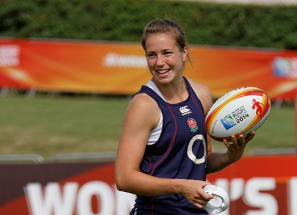
After 17 years of delivering in high-pressure situations for England, Emily Scarratt has announced her retirement from playing rugby at age 35. The clutch centre’s career includes 119 international caps, 754 points as the nation’s all-time leading scorer, and two World Cup victories. Her reputation for performing when pressure was greatest made her England’s most reliable player in crucial moments.
From her 2008 debut, Scarratt demonstrated composure under pressure. Her contribution to 11 Six Nations championships included numerous pressure kicks, crucial tries, and match-winning performances. Her achievement of competing in five World Cups provided multiple high-pressure environments where she consistently delivered. Whether facing elimination matches, championship deciders, or must-win finals, Scarratt’s performance level rarely dropped.
The 2014 Rugby World Cup showcased Scarratt’s pressure performance at its finest. She finished as the tournament’s leading scorer with 70 points, consistently delivering when England needed scores. Her player of the final performance in the championship decider demonstrated ultimate pressure performance. The 2019 World Rugby Player of the Year award recognized her ability to deliver consistently in high-stakes situations.
Her pressure performance extended to captaining Great Britain at the 2016 Rio Olympics—the ultimate pressure environment. Winning Commonwealth Games bronze with England sevens in 2018 required clutch performance. At club level with Lichfield and Loughborough Lightning, she demonstrated the same pressure reliability.
As she retires from performing under pressure as a player, Scarratt will teach future players this crucial skill through coaching. She has been appointed as an assistant coach with Loughborough Lightning for the upcoming season and will also work with the RFU in a specialist coaching and mentoring role. In her retirement message, Scarratt expressed pride in being part of women’s rugby’s transformation into a professional sport and gratitude for the privilege of retiring on her own terms. England head coach John Mitchell described her as a once-in-a-generation player whose ability to perform under pressure established standards for mental toughness and clutch performance that will influence rugby for years to come.