
The potential reopening of the Strait of Hormuz by Iran could significantly ease pressures on global energy markets. This strategic waterway is vital for the transportation of oil worldwide, and its current disruption has been a contributing factor to increased tensions in international energy dynamics. Iran has indicated it might reopen the strait within a week if the United States agrees to reduce military and economic pressures.
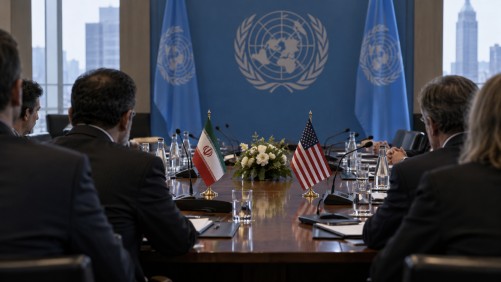
This development follows a pivotal meeting between Iranian officials and the U.S. special envoy Steve Witkoff on the sidelines of the UN General Assembly in New York. Iranian Foreign Minister Abbas Araghchi was present at the discussions, which were facilitated by Qatari diplomats. Witkoff characterized the talks positively, suggesting the possibility of further meetings.
Iran’s proposal hinges on the United States showing willingness to ease its military operations and economic restrictions related to the Strait of Hormuz. In exchange, Tehran would not only reopen the strait but also engage in renewed negotiations. However, internal divisions within Iran persist, with some factions, particularly those linked to the Islamic Revolutionary Guard Corps, disputing a shift towards negotiation with the U.S.
Amid these diplomatic maneuvers, U.S. President Donald Trump addressed the General Assembly, emphasizing his choice between negotiating with Iran or pursuing further action against the nation. He reiterated the U.S. stance on preventing Iran from developing nuclear weapons, underscoring the ongoing friction between the two countries.
As regional intermediaries work to broker a resolution, the latest talks underscore the challenges and opportunities in navigating the complex U.S.-Iran relationship. The reopening of the Strait of Hormuz remains a critical issue with far-reaching implications for international trade and energy security.