
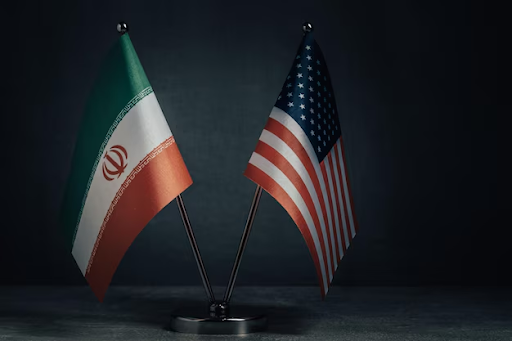
Economic necessity has always been a powerful driver of Iranian nuclear diplomacy, and it remained so on Tuesday as the second round of indirect talks in Geneva unfolded against the backdrop of an Iranian economy crippled by decades of US sanctions. Iran’s willingness to offer significant concessions on its nuclear programme — from diluting enriched uranium to expanding IAEA access — reflects in part the urgent economic pressures that sanctions have created.
Foreign Minister Araghchi described the session as constructive and reported agreement on guiding principles, with both sides committing to exchange draft texts before a third meeting in roughly two weeks. Iran’s diplomatic package was broad, encompassing not just nuclear constraints but also economic cooperation proposals and a non-aggression framework designed to give the Trump administration additional incentives to reach a deal.
The core of Iran’s nuclear offer was the dilution of its 40-kilogram stockpile of 60% enriched uranium and expanded cooperation with IAEA inspectors at facilities damaged in recent US airstrikes. These were presented as substantive steps that addressed the international community’s most acute concerns about Iran’s nuclear intentions.
The US responded by pressing for a complete halt to domestic uranium enrichment — a demand that goes beyond what Iran has ever accepted in any previous negotiation. Tehran’s rejection of this demand was categorical, framing enrichment rights as both a sovereign entitlement and a domestic political necessity that no Iranian government could abandon without catastrophic consequences.
The economic dimension of the talks — the implicit exchange of nuclear constraints for sanctions relief — gave both sides reasons to stay at the table even as military tensions escalated in the Gulf and domestic turmoil deepened inside Iran. With over 10,000 protesters facing prosecution and the economy under severe strain, the Iranian government had powerful incentives to find a deal, even an imperfect one.