
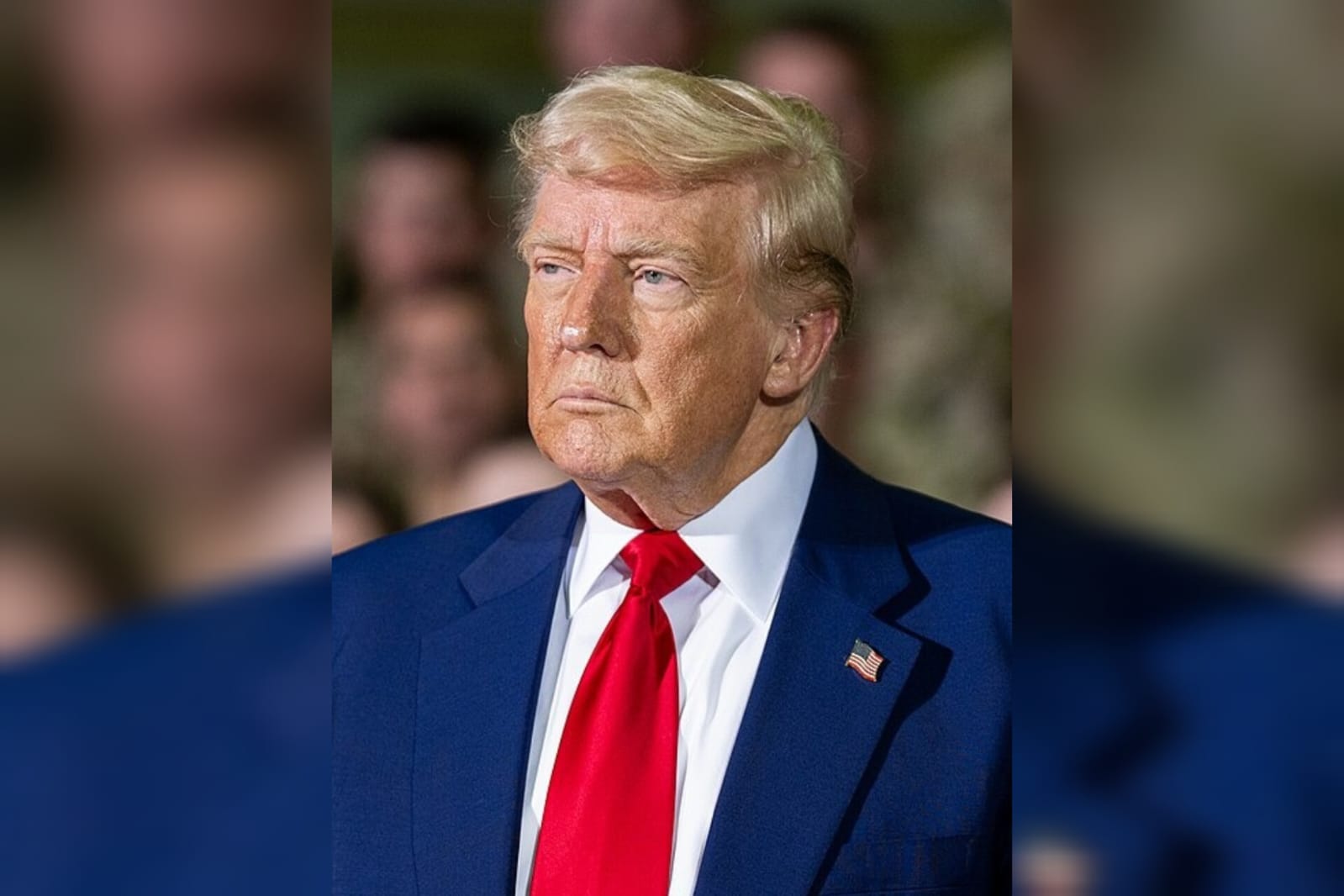
A memorandum of understanding signed by U.S. President Donald Trump with Iran has sparked a mix of reactions globally. Some world leaders have embraced it as a move towards easing tensions, while critics contend that it offers Tehran considerable benefits without robust assurances regarding its nuclear program. Among those praising the agreement is Pakistan’s Prime Minister Shehbaz Sharif, who commended the diplomatic efforts involved. He emphasized that the deal could facilitate the reopening of the Strait of Hormuz and reignite negotiations between Washington and Tehran. Additionally, the leaders of the G7 have expressed their approval, viewing the agreement as a crucial opportunity to forestall Iran’s potential development of nuclear weapons and to stabilize global energy markets.
The agreement stipulates that Iran will reopen the crucial maritime passage of the Strait of Hormuz, while the U.S. will alleviate specific sanctions targeting Iranian oil exports, petroleum products, and associated banking services. Over the next 60 days, the two nations are scheduled to engage in discussions concerning Iran’s nuclear program and its accumulation of highly enriched uranium. The deal’s perceived leniency has provoked strong criticism from Israel, whose political figures and former officials argue that easing economic pressure on Iran could embolden the country without securing substantial restrictions on its nuclear activities. There is also concern within Israel that the deal might leave the country with intensified security dilemmas, and opposition voices have criticized their government’s exclusion from the negotiation process.
In the United States, reactions have been varied. Some Republican lawmakers have shown cautious support for the diplomatic approach, highlighting the reopening of the Strait of Hormuz and the de-escalation of hostilities as beneficial outcomes. However, dissent exists among other Republicans and several Democratic leaders, who argue that the agreement provides Iran with economic advantages while securing only broad commitments on its nuclear intentions. President Trump, however, has hailed the agreement as a significant triumph for the U.S., while Iranian officials have framed it as a validation of their negotiation tactics.