
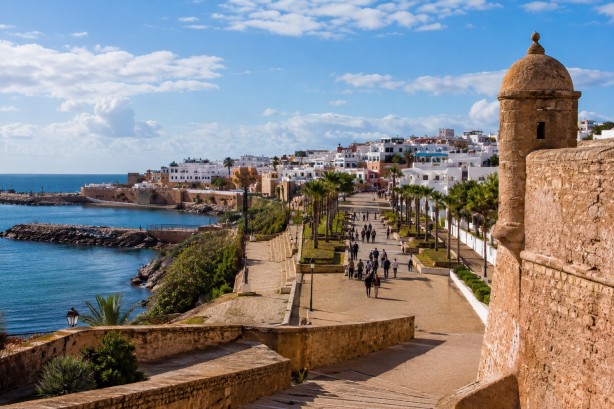
Rabat, the vibrant capital of Morocco, is set to captivate the world as UNESCO’s World Book Capital for 2026. Yet, the allure of Rabat extends well beyond the realm of literature. This city is a treasure trove of history, architecture, and art, offering a serene escape from Morocco’s more bustling tourist spots. As travelers meander through Rabat, they encounter a city of contrasts: the modern district boasts elegant boulevards and contemporary edifices, while the ancient medina invites exploration with its meandering alleys brimming with local markets, traditional crafts, spices, handmade soaps, and fresh produce. Unlike the crowded tourist markets elsewhere, Rabat’s medina provides a laid-back atmosphere where visitors can wander leisurely.
Art aficionados will find a haven at the Mohammed VI Museum of Modern and Contemporary Art. With its impressive array of Moroccan contemporary artworks, the museum chronicles the nation’s artistic journey through vivid paintings, captivating photography, and thought-provoking installations. Meanwhile, the Kasbah of the Oudayas presents one of Rabat’s most stunning sights. Perched above the Atlantic Ocean, this historic fortress is characterized by its white-and-blue houses, tranquil lanes, and breathtaking coastal vistas. Adjacent to the Kasbah, the Andalusian Gardens offer a serene retreat adorned with vibrant flowers, orange trees, and shaded paths.
Rabat’s coastline also beckons with its inviting charm. The city’s beach is a magnet for families, football enthusiasts, and surfers alike, creating a lively yet soothing environment. Sunset casts a magical spell over the Atlantic, providing a stunning backdrop for visitors. Culinary delights further define the Rabat experience, with traditional Moroccan dishes like lamb tagine, couscous with seasonal vegetables, and freshly baked khobz bread showcasing the country’s rich gastronomic heritage. Visitors can also savor refreshing mint tea at cafés along the Bou Regreg River.
History buffs are drawn to Chellah, an archaeological site that artfully marries ancient Roman ruins with a medieval Islamic necropolis. Its tranquil gardens, historic walls, and panoramic views make it one of Rabat’s most captivating landmarks. For those seeking a unique perspective of the city, electric tuk-tuks offer a convenient way to navigate iconic landmarks across the capital. As night falls, waterfront restaurants along the river provide idyllic settings to enjoy local cuisine and drinks with picturesque views.
Beyond its designation as UNESCO’s World Book Capital, Rabat is a city that seamlessly fuses culture, history, hospitality, and coastal beauty into a compelling travel destination. From exploring its independent bookstores reflecting a burgeoning literary scene to discovering its architectural wonders, Rabat promises a rewarding journey filled with unforgettable experiences for those who delve into its rich tapestry.