
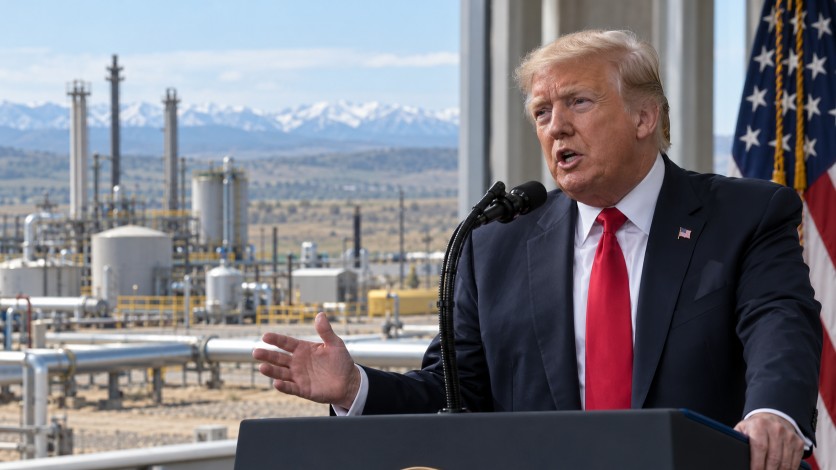
The Trump administration is moving to repeal regulations on methane emissions from the oil and gas industry, a change that has sparked a debate over its potential impact on the environment and economy. During a rally in Lubbock, Texas, former President Donald Trump announced plans to roll back Biden-era rules aimed at curbing methane emissions, arguing that the move would reduce costs for energy producers and consumers.
According to Trump, the revisions would save $45 billion for consumers and energy producers and unlock an additional 210 million barrels of oil. The Environmental Protection Agency (EPA), led by Administrator Lee Zeldin, is spearheading the proposed changes under the Clean Air Act, suggesting they could also facilitate the production of 1.41 trillion cubic feet of additional natural gas.
However, environmental and public health groups warn that the rollback of methane regulations could lead to increased pollution and contribute to global warming. Methane is a potent greenhouse gas, and its emissions from oil and gas operations have been linked to climate change. Critics contend that the weakening of these controls could degrade air quality and pose health risks to nearby communities due to the release of other harmful pollutants.
The Biden-era regulations, implemented in 2024, had established nationwide standards to reduce methane emissions from existing oil and gas facilities. These measures aimed to limit leaks, routine flaring, and to identify significant emissions events using approved monitoring technologies. The Trump administration began reconsidering these regulations in March 2025, claiming that certain provisions might hinder domestic energy production and competitiveness.
Supporters of the proposed rollback argue that reducing regulatory burdens could stimulate increased oil and gas production. However, environmental advocates caution that such changes could lead to the wastage of valuable natural gas and heighten environmental and health risks.
The controversy underscores the ongoing tension between boosting domestic fossil fuel production and mitigating greenhouse gas emissions. The ultimate impact of the proposed regulatory changes will depend on the specifics of the final rules and their implementation.