
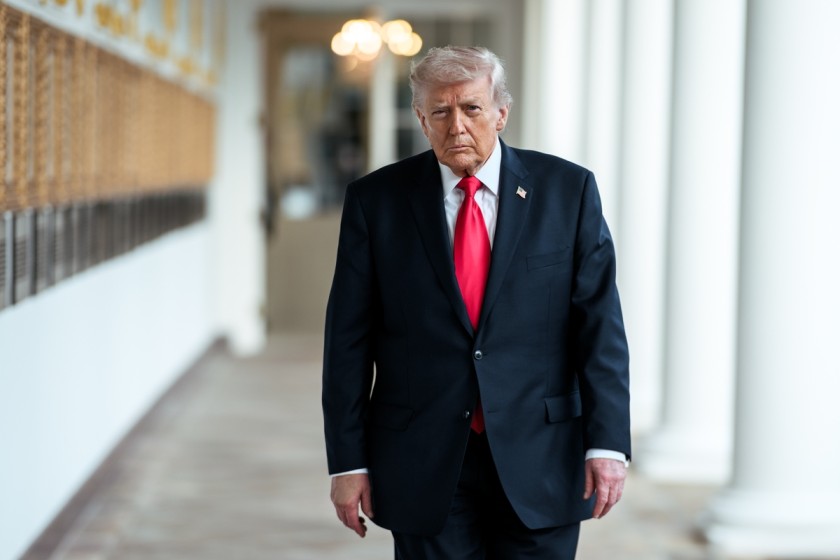
Efforts to forge a long-term agreement between the United States and Iran on regional security and stability encountered early setbacks after Iranian delegates momentarily exited discussions in Switzerland. This occurred in response to remarks by US President Donald Trump that were perceived negatively by Tehran. The talks, intermediated by Qatar and Pakistan, aim to build on a recent memorandum of understanding intended to mitigate Middle Eastern tensions, secure maritime safety, and address broader US-Iran relations.
The Iranian delegation expressed dissatisfaction with Trump’s public threats concerning Iran’s activities in the Strait of Hormuz and its support for regional allies. They labeled these comments as inappropriate amidst ongoing diplomatic engagements. Despite this hiccup, the discussions persisted behind closed doors, with the mediators playing a crucial role in keeping both parties in dialogue. Iranian Foreign Minister Abbas Araghchi later commended the mediation efforts, while officials from Qatar and Pakistan confirmed plans to continue technical discussions throughout the week.
The negotiations focus on preserving stability in the Strait of Hormuz, ensuring adherence to ceasefire agreements in Lebanon, and tackling economic issues such as sanctions and Iran’s frozen assets. Iran has emphasized that any enduring agreement must encompass guarantees on regional security and sanctions relief. The talks are seen as a critical step towards addressing these multifaceted challenges.
In a bid to foster a more positive atmosphere, US Vice President JD Vance adopted a conciliatory stance, expressing Washington’s desire to enhance relations with Iran, contingent on advancements in regional stability and nuclear issues. Despite the ongoing disagreements, both parties have signaled their intention to continue the dialogue, underscoring the importance of these negotiations in navigating the complex US-Iran relationship.