
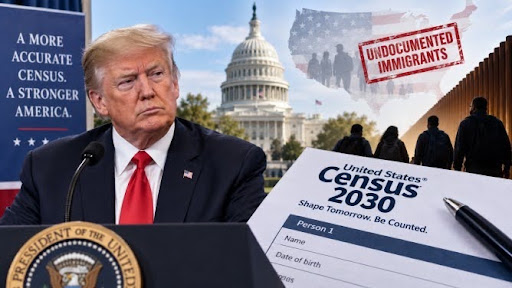
The Trump administration has introduced a proposal to modify the United States census by excluding undocumented immigrants from being counted in the population tally. This proposed change could have a profound impact on how federal resources are distributed and how congressional districts are delineated. While lawful permanent residents would remain included in the count, undocumented immigrants and individuals in some other non-permanent immigration categories might be omitted. The Census Bureau is exploring the possibility of using government administrative records to ascertain the legal status of individuals enumerated in the census.
Historically, the U.S. census, conducted every ten years, has counted everyone residing in the country, irrespective of their citizenship or immigration status. The data derived from this count plays a crucial role in allocating federal funding and determining each state’s representation in the House of Representatives. The proposed changes aim to alter this long-standing practice by omitting certain groups from the population count, which could potentially shift political power and resources.
In addition to the proposed exclusion of undocumented immigrants, the administration is contemplating revisions to the census questions concerning race and ethnicity. These changes are being considered due to concerns about the relevance and sensitivity of the current questions. Any adjustments to these questions could influence the demographic data that governments and policymakers rely on for decision-making.
The proposal is anticipated to encounter legal opposition from Democrats and advocacy organizations. Critics argue that the U.S. Constitution mandates the census to include all individuals residing in the country, regardless of immigration status. Legal challenges are expected as opponents seek to uphold the tradition of a comprehensive count.