
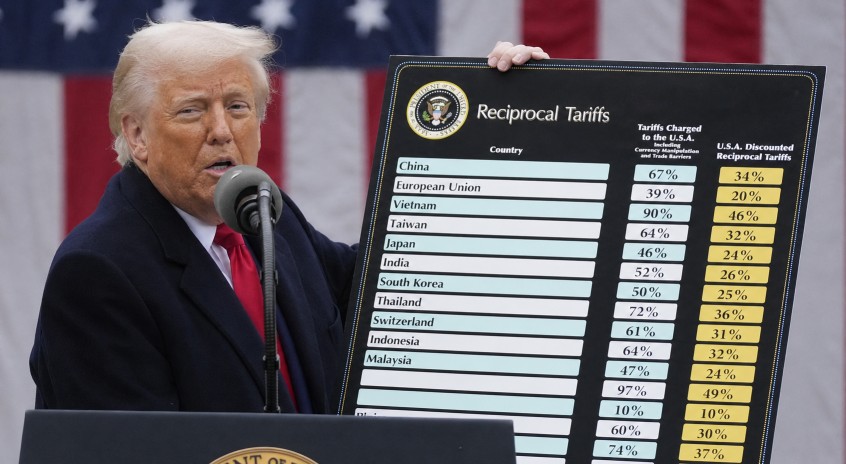
In a significant shift within the United States’ trade policy, President Donald Trump unveiled a fresh series of tariffs on imports from over 80 countries. This decision replaces the recently lapsed temporary 10% global tariff. The new tariffs, which range between 10% and 12.5%, will affect imports from nations including the United Kingdom, European Union countries, Canada, Mexico, Australia, India, and China. The administration is leveraging Section 301 of the US Trade Act of 1974 to introduce these tariffs, citing a need to address forced labor concerns in global supply chains.
The introduction of these tariffs follows a critical ruling from the US Supreme Court earlier this year, which questioned the legitimacy of previous tariffs imposed under emergency powers. This ruling has prompted the administration to explore different legal avenues. US Trade Representative Jamieson Greer emphasized the United States’ expectation that its trading partners will enhance their restrictions on imports associated with forced labor. However, the move has been met with skepticism and criticism from several US allies.
Countries like Australia and Brazil have labeled the tariffs as unwarranted, expressing intentions to push for their removal. Meanwhile, the European Union has sought clarification from Washington, with officials expressing surprise at the unexpected announcement. Canada has argued against its inclusion, asserting that it already enforces strong measures against forced-labor imports and advocates for a multilateral approach to the issue.
Trade analysts have raised questions regarding the president’s constitutional authority to impose such comprehensive tariff measures without the approval of Congress. Legal experts suggest that these new tariffs could potentially face further legal challenges. Domestically, Trump’s trade policies continue to stir political debate. Recent surveys indicate that a significant portion of the American public believes the tariffs have led to increased consumer prices, although the administration maintains that these measures have bolstered the US economy and safeguarded domestic industries.
This latest tariff decision introduces another layer of unpredictability to the global trade landscape as nations evaluate the economic implications and deliberate on possible responses. The ongoing discourse among international partners and legal challenges presents a complex backdrop to the administration’s trade agenda.