
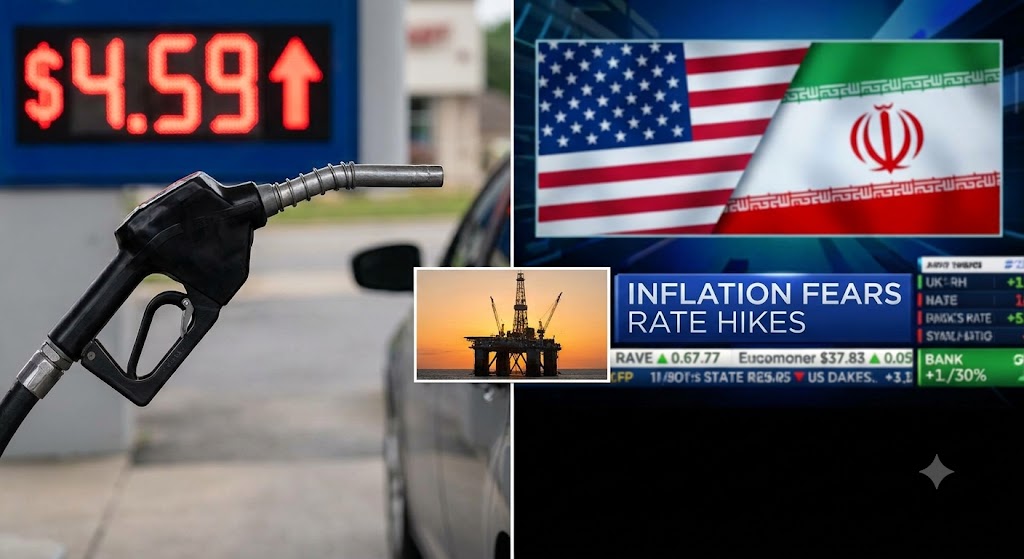
The global oil and gas market experienced a notable surge in prices following renewed military tensions between the United States and Iran. These developments have heightened concerns among investors about energy supply disruptions and potential inflationary pressures. Brent crude oil prices momentarily reached their highest level in over a month. However, the upward trajectory eased after U.S. President Donald Trump decided against a proposed 20% levy on ships transiting the strategically significant Strait of Hormuz.
The initial spike in energy prices has led to increased speculation that central banks, such as the Bank of England and the European Central Bank, might opt for interest rate hikes later in the year to counteract inflationary trends. This anticipation was reflected in rising bond yields. Meanwhile, European stock markets saw a temporary dip due to worries over the shipping levy, though they managed to recover once those concerns diminished.
Analysts suggest that persistent tensions in the Middle East could contribute to ongoing volatility in energy markets. Such instability is likely to have a significant impact on global inflation and could shape monetary policy decisions in the coming months. The situation underscores the intricate link between geopolitical events and economic indicators, which remain closely monitored by investors and policymakers alike.
As the international community watches these developments, the potential for further conflict in the region remains a key factor in assessing future economic conditions. Energy markets, already sensitive to geopolitical shifts, could see continued fluctuation, affecting prices and influencing central banks’ approaches to managing inflation. The interplay between military actions and economic strategies will likely remain a focal point for global financial markets in the near future.